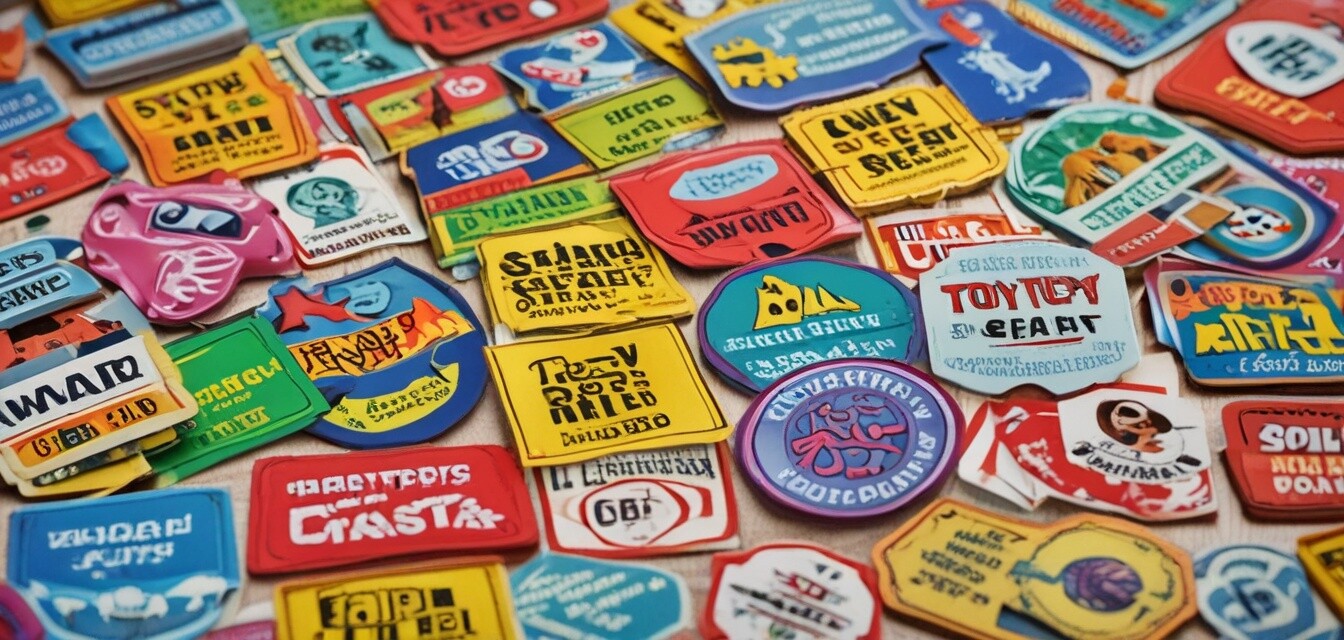
Understanding Toy Safety Labels
Key Takeaways
- Always check for safety labels on toys.
- Familiarize yourself with common safety symbols and standards.
- Understand age recommendations to choose suitable toys for your child.
- Stay informed about recalls and product safety alerts.
As a parent, ensuring your child's safety during playtime is a top priority. One crucial aspect of toy safety is understanding the labels that come with toys. These labels provide valuable information about the toy's safety features, appropriate age group, and any potential hazards. In this article, we will explore how to read and interpret toy safety labels effectively.
The Importance of Toy Safety Labels
Toy safety labels are essential for several reasons:
- They indicate whether a toy meets safety standards.
- They guide parents on appropriate age levels for usage.
- They highlight any potential hazards, such as small parts that could pose choking risks.
- They help track recalls or safety alerts related to specific toys.
Understanding Common Safety Symbols
Familiarizing yourself with common safety symbols on toy labels is crucial. Here’s a table that outlines key symbols and their meanings:
| Symbol | Meaning |
|---|---|
| Meets safety standards for children under a certain age. | |
| Contains small parts; not suitable for children under three years. | |
| This toy can be cleaned or washed. | |
| This toy is battery-operated and includes safety advice. |
Age Appropriateness
Age labels on toys are not just suggestions—they are important safety guidelines. Different age groups have varying developmental skills and safety requirements. Here’s a breakdown of age categories:
| Age Group | Recommended Toys |
|---|---|
| 0-2 years | Soft toys, rattles, and large blocks. |
| 3-5 years | Simple puzzles, building blocs, and interactive toys. |
| 6-8 years | Board games, action figures, and role-playing toys. |
| 9 years and up | STEM kits, complex puzzles, and creative arts products. |
Staying Informed About Recalls and Alerts
One of the responsibilities of responsible toy ownership is staying updated on any recalls or safety alerts. Regularly check the News and Trends section of our site to keep up with the latest safety information related to children's toys. You can also consider visiting the Consumer Product Safety Commission (CPSC) website for detailed information on recalled products.
Checking Materials and Certifications
In addition to understanding what the labels say, it’s essential to consider the materials used in toys. Look for labels indicating:
- PVC-free materials
- Non-toxic finishes
- Complies with ASTM or EN71 safety standards
Tips for Ensuring Toy Safety
Beginner Tips for Toy Safety
- Inspect toys regularly for wear and tear.
- Always supervise young children during play.
- Choose toys that encourage creativity and imaginative play.
- Teach older children how to play safely with their toys.
Conclusion
Understanding toy safety labels is an important part of ensuring your child's safe playtime experience. By familiarizing yourself with common symbols, age recommendations, and safety standards, you can make informed decisions when selecting toys for your kids. Remember to stay vigilant about recalls and prioritize materials used in toys for ultimate safety. For more detailed information about toy categories, visit our page on Action Figures and Role-Play Toys or our comprehensive Toy Safety Tips section.