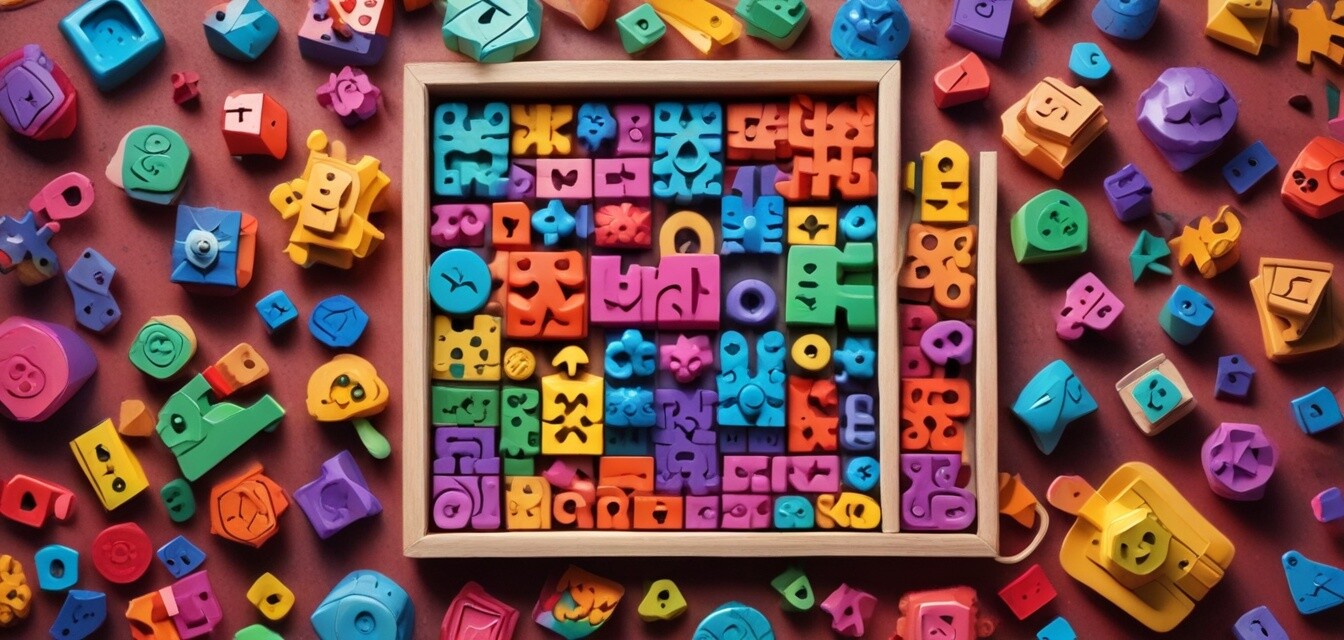
Best Brain Learning Toys for Kids Under 10
Key Takeaways
- Brain learning toys encourage cognitive skills, problem-solving, and creativity.
- Look for toys that are age-appropriate and align with your child's interests.
- Popular categories include STEM toys, building sets, and puzzles.
- Safety should always be a priority when selecting toys for young children.
- Explore options within our buying guides for additional insights.
When it comes to enriching the minds of children under ten, brain learning toys are a fantastic choice. Not only do they entertain, but they also foster critical skills such as problem-solving, reasoning, and creativity. In this guide, we will explore some of the best options available in the market today, ensuring your little ones enjoy playtime while simultaneously learning and growing.
What are brain learning toys?
Brain learning toys are specifically designed to promote intellectual development in children. These toys can take the form of puzzles, building sets, STEM kits, and role-play toys that encourage imaginative play. The key is to engage young minds in a manner that enhances learning through fun.
Benefits of brain learning toys
- Enhances problem-solving skills: Many brain learning toys require children to think critically, analyze, and make decisions.
- Boosts creativity: Toys that allow creativity enable children to express themselves and build their unique ideas.
- Encourages collaborative learning: Many toys can be played with others, promoting teamwork and social skills.
- Develops fine motor skills: Toys that involve building or manipulation can enhance coordination and dexterity.
Types of brain learning toys
There are various categories of brain learning toys that you can consider:
| Type | Description | Examples |
|---|---|---|
| STEM Toys | Toys that focus on science, technology, engineering, and math concepts. | Science kits, coding games |
| Puzzles | Activities that challenge problem-solving skills and spatial awareness. | Jigsaw puzzles, logic puzzles |
| Building Sets | Encourage creativity and critical thinking by allowing kids to design their structures. | Construction blocks, magnetic tiles |
| Role-Play Toys | Encourage imaginative play and social interaction. | Costumes, playsets |
Choosing the right brain learning toy
When selecting brain learning toys, it’s essential to consider the following factors:
- Age appropriateness: Ensure that the toy is suitable for your child's age to guarantee safety and effectiveness.
- Interests: Consider your child’s interests; whether they like puzzles, building, or pretend play can help in choosing the right toys.
- Safety: Check for safety certifications and materials used to avoid hazards.
- Durability: Select toys that can withstand the wear and tear of enthusiastic young hands.
Safety considerations
Safety is paramount when purchasing toys for children. Here are some tips:
- Look for toys with non-toxic materials.
- Avoid toys with small parts that may pose a choking hazard.
- Check for any sharp edges or points.
Top brain learning toys to consider
Here are some types of brain learning toys you might consider for your children:
| Toy Type | Highlights | Recommended Age |
|---|---|---|
| STEM Educational Toys | Encourages curiosity and exploration of scientific concepts. | 5-10 years |
| Building Sets | Promotes creativity and engineering skills. | 3-10 years |
| Puzzles | Enhances critical thinking and problem-solving skills. | 4-10 years |
| Board Games | Improves strategy and social skills through cooperative play. | 5-10 years |
Final thoughts
Choosing the right brain learning toys for children under 10 can significantly impact their cognitive development. By considering their interests and ensuring the toys are safe and age-appropriate, you can foster a love for learning that lasts a lifetime. Be sure to explore our other categories, like STEM Educational Toys or Board Games, for even more great options!
Pros
- Promotes intellectual development.
- Engages children in fun and educational activities.
- Encourages teamwork and social skills.
Cons
- Some toys may require adult supervision.
- Initial costs can vary depending on the type of toys.
Tips for parents
- Engage with your child while they play; ask questions that provoke thought.
- Rotate toys regularly to keep playtime fresh and interesting.
- Incorporate play with daily learning to reinforce skills learned during play.